Tax stamp machines and automated labeling solutions for regulated products
Labeling is often treated as a finishing step, but for many manufacturers it is a critical control moment in the line. A label can carry brand identity, product information, barcodes, track and trace data, and in regulated markets it can carry legal proof of duty payment through an excise stamp. When that label is not applied correctly, the impact is immediate: rework, waste, compliance risk, and downtime.
ATD Machinery designs labeling machine solutions for manufacturers that need reliable label placement at production speed, with repeatable accuracy and controlled product handling. Whether you need a standalone label machine or a fully integrated set of automated labeling machines in a broader line, the goal stays the same: predictable performance, stable mechanical movements, and a solution that fits your product and your process.
When a tax stamp machine is required
Typical challenges in tax stamp application
Tax stamp machines and broader labeling solutions usually need to solve a combination of mechanical, process, and compliance challenges:
Consistent position and orientation
Tax stamps that sit too low, too high, skewed, or misaligned can be rejected downstream or create compliance risk. Stable product guidance and repeatable movements matter more than maximum speed.
Adhesion control
A stamp that lifts at the corner, wrinkles, or does not bond correctly can fail inspection. The right glue or adhesive approach, with correct pressure and timing, is essential.
Surface variation
Cartons, tins, wood, plastic, and coated materials can behave differently. ATD labeling machines are designed to work with multiple materials including wood, cardboard, plastic, and tin.
Start stop and continuous flow
Some lines run in indexed motion, others in continuous flow. ATD supports both start stop and flow labeling depending on your production logic.
Integration with verification
Many regulated applications require inspection and traceability. A good tax stamp application process is typically designed alongside checks such as presence detection, position verification, and readability control for codes where relevant.
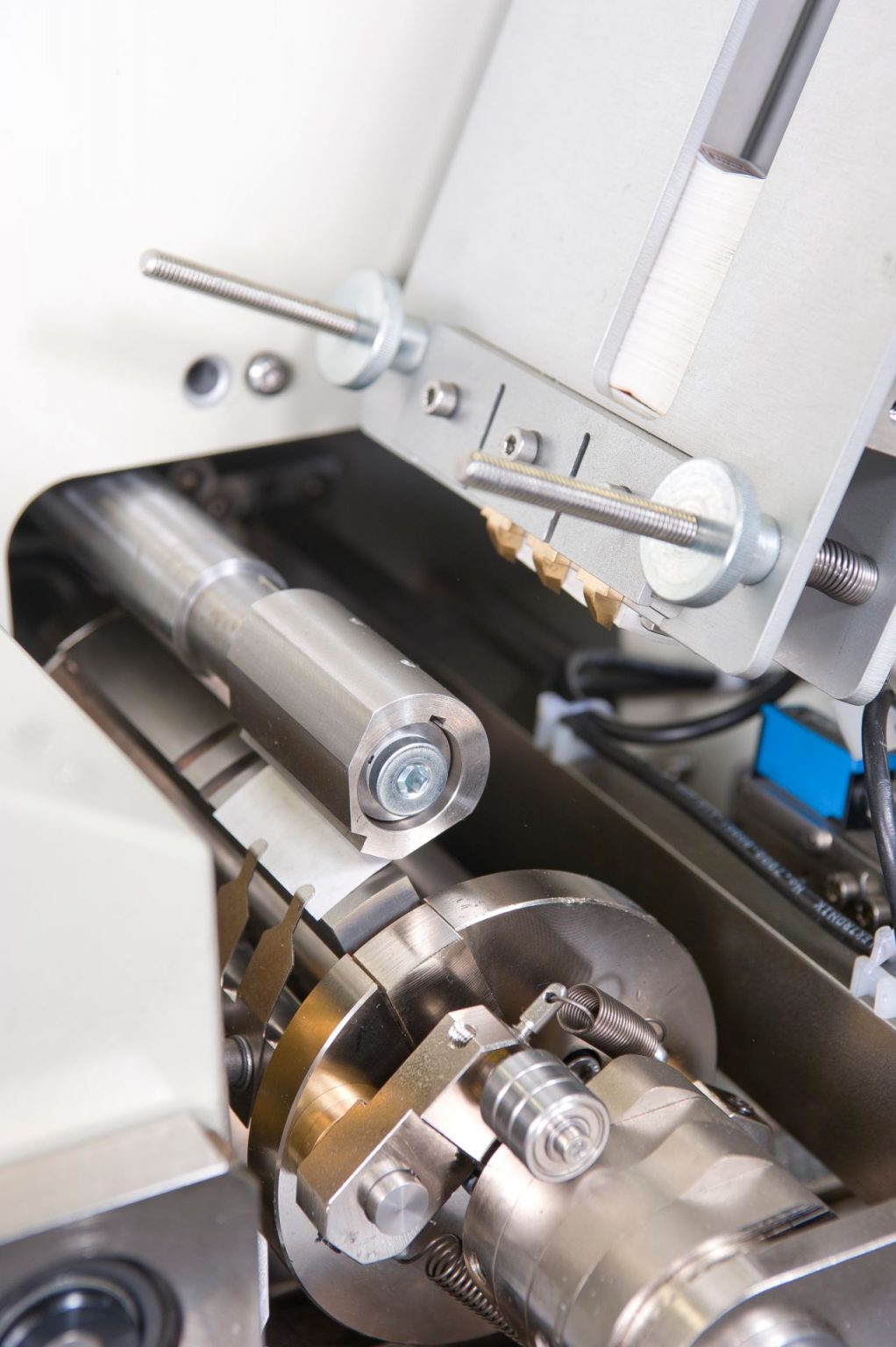
What ATD automated labeling machines can do
ATD Machinery provides automated labeling machines that can be configured for a broad range of label types and placements. Core capabilities described on the ATD labeling solutions page include:
- Applying stickers such as seal stickers, tax stamps, and barcodes
- Gluing labels using cold glue or hotmelt for non adhesive labels
- Applying stickers regardless of size
- Opening a box and attaching labels on the inside
- Working with multiple materials such as wood, cardboard, plastic, and tin
- Supporting both start stop labeling and flow labeling
In real projects, these capabilities are combined into a labeling solution that matches your product handling and the upstream and downstream machines in your line.
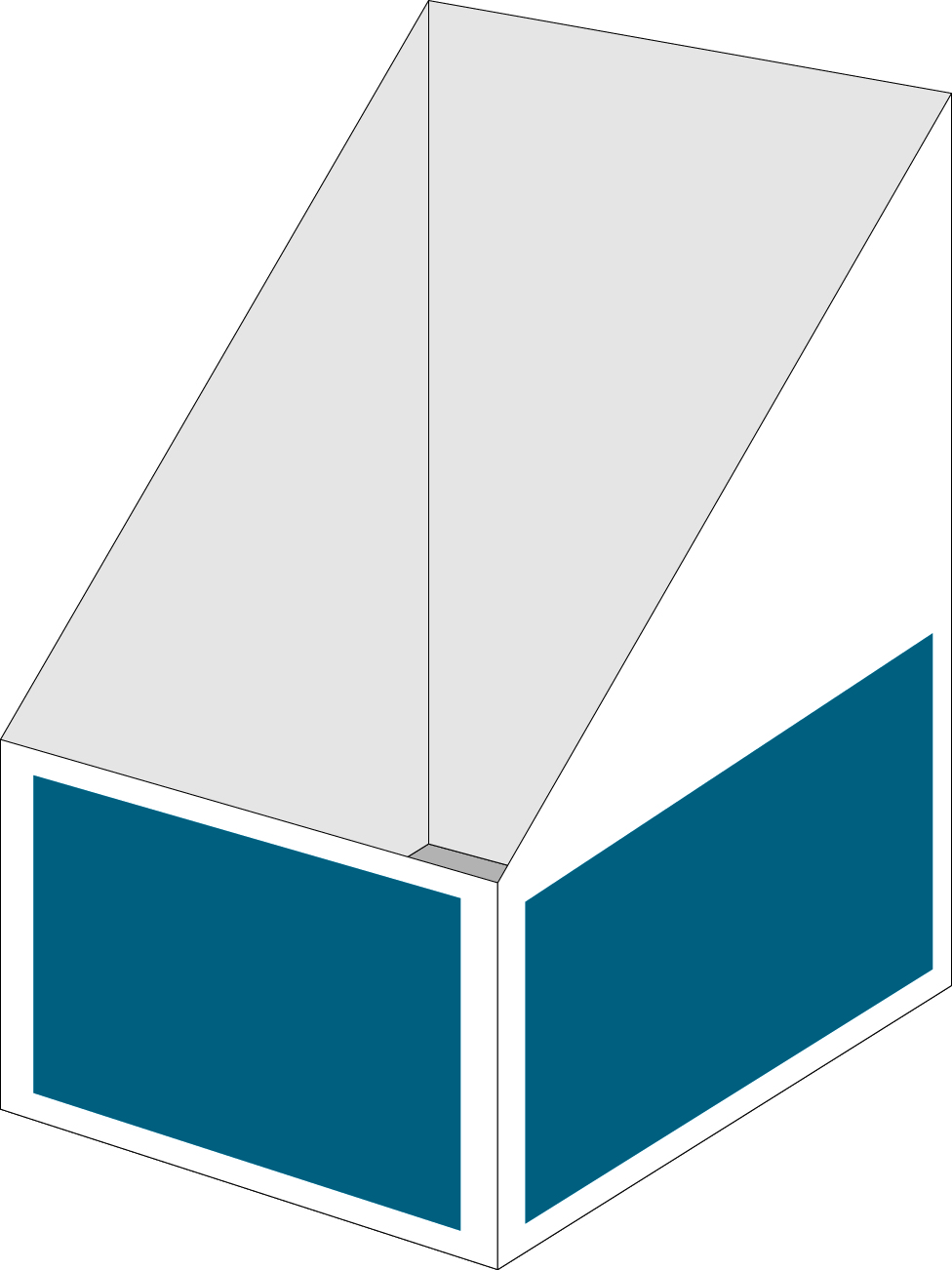
Choosing the right label machine for your product format
The best labeling machine depends on the product, packaging style, and how your line is built. Below are common scenarios where a dedicated labeling solution makes the difference.
Cartons and folding boxes
Cartons often need precise placement on a clean panel, or a tax stamp that bridges an opening. If the carton needs to be opened for an inner label, the labeling solution must be synchronized with carton handling so timing stays stable.
Tins and rigid packs
Rigid packaging can introduce reflections, curved surfaces, or tighter tolerances on label position. Controlled pressure and repeatable placement help prevent lifting or skew.
Bundles and wrapped products
When products are already wrapped, the labeling solution must avoid wrinkles, trapped air, or misalignment caused by film tension.
Do you need a tax stamp machine, a label machine for compliance, or automated labeling machines integrated into a broader line?
Share your product format, label type, required speed, and any compliance rules, and ATD Machinery can advise on a labeling solution that fits your production reality.
Where automated labeling machines add the most value
Manual labeling can work at low volume, but once compliance and throughput matter, automated labeling machines become the safer choice. ATD highlights the business impact of labeling machines in several areas:
Efficiency and productivity
Automated labeling solutions streamline printing and application and can run significantly faster than manual work.
Accuracy and consistency
Automated labeling solutions reduce errors and improve uniformity, which is particularly important in regulated environments.
Cost control
Reduced rework, fewer labeling errors, and less waste typically lower total cost over time.
Flexibility
ATD labeling machines can be tailored to label types, sizes, and materials, helping manufacturers adapt without rebuilding the entire line.
Compliance support
In markets with strict labeling rules, automated labeling solutions help maintain compliance and reduce operational risk.
Industries where tax stamp machines and labeling solutions are common
While tax stamp machines are strongly associated with tobacco related packaging, the broader need for controlled labeling and traceability shows up in multiple sectors. ATD positions its labeling solutions across markets such as food and beverage, pharmaceutical, cosmetics, and manufacturing, each with different requirements for accuracy, materials, and product shapes.
If you are working in a market where labeling is part of compliance, or where brand presentation must be consistent at scale, the labeling process should be engineered like any other critical station in your line.
For a complete overview of our labeling expertise, explore our labeling solutions.