Production solutions by ATD Machinery
Production is the foundation of every manufacturing environment. It determines how products are formed, handled, transferred and prepared for the next step in the process. When production is stable, accurate and repeatable, downstream operations such as packaging, labeling and automation can perform at a higher level as well. When production lacks control, the effects are visible everywhere in the line through waste, inconsistency, downtime and reduced output.
Production is approached as an integrated mechanical process rather than a standalone machine function. Every solution is developed around the controlled movement of products and materials, reliable process logic and robust machine construction. The goal is not simply to increase output. The goal is to create production systems that perform consistently, handle sensitive products with care and remain effective over the long term.
ATD Machinery develops and builds configured solutions for manufacturers handling natural, fragile and quality sensitive products, including machines, installations and services. This broader engineering perspective is part of the integrated approach across production, labeling and packaging.
What production means in modern manufacturing
Production in manufacturing refers to the process in which raw materials, semi finished products or components are transformed into finished or further processable products. In modern environments, this includes much more than a single forming or assembly step. Production also involves feeding, positioning, transferring, synchronizing, positioning, inspecting and preparing products for subsequent operations.
As product portfolios expand and production requirements become more dynamic, manufacturers increasingly need production solutions that combine precision with flexibility. Production must remain stable at higher speeds, adaptable across formats and reliable over long operating periods. Especially in sectors where products such as cigars, cigarillos, confectionery or cosmetic products are fragile, sensitive or quality critical, the production machine must do more than move fast. It must move with control.
Performance is therefore no longer judged on speed alone. Consistent product handling, repeatable mechanical timing and stable transfer between machine stations have become equally important. Reduced dependence on operator intervention and practical format changes also contribute to a more efficient and reliable production process.
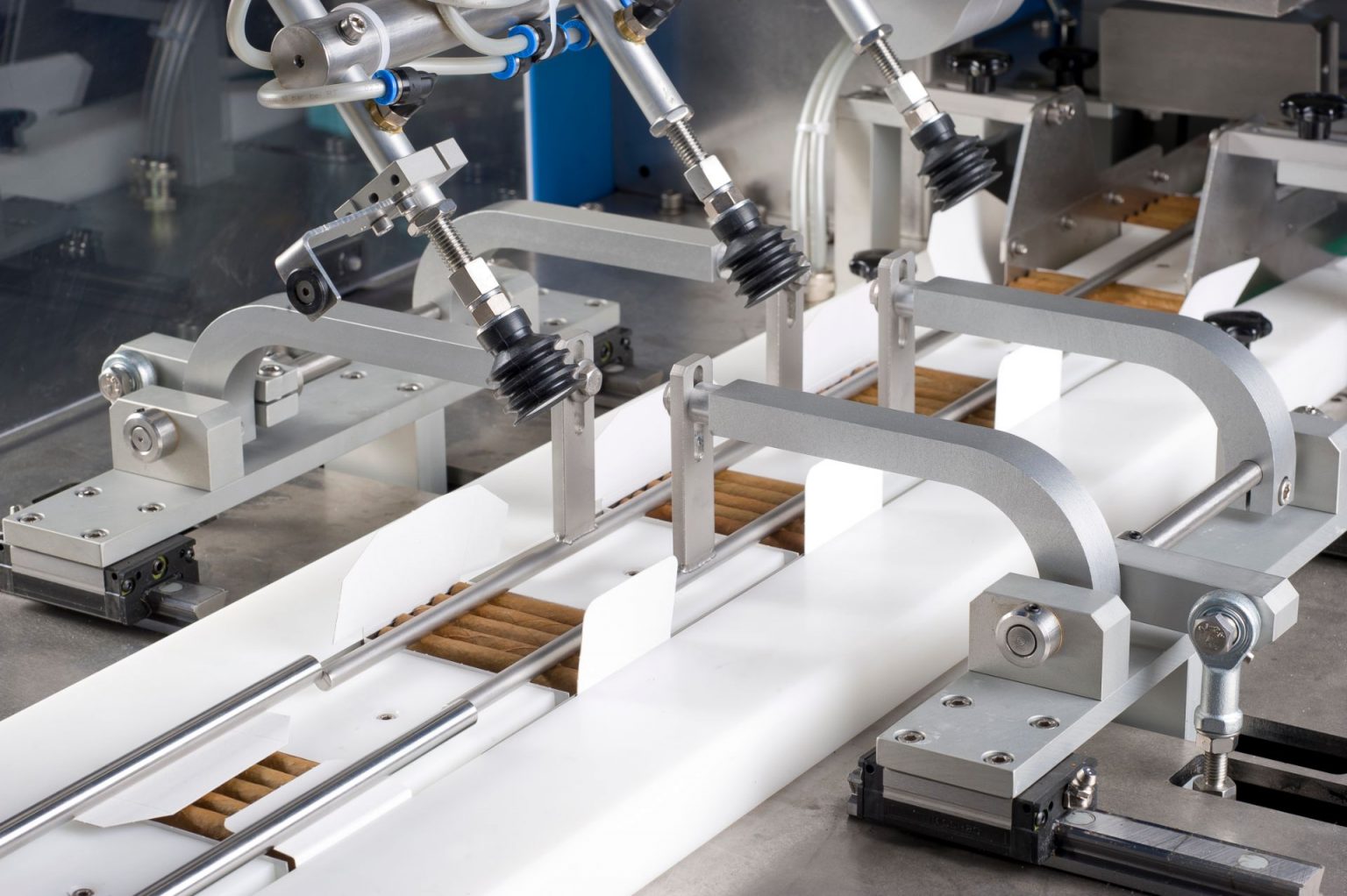
Controlled movement as the basis of production quality
In many manufacturing environments, production quality begins with motion control. A product that is not guided correctly through the process can deform, shift, jam or lose orientation. This creates variation in output and affects every following step in the line.
A well designed production machine creates stability in movement. Products are introduced, supported and transferred in a predictable way. Mechanical timing is synchronized to avoid unnecessary stress on the product and to ensure each process step takes place under controlled conditions. This is particularly important when working with fragile natural products, delicate surfaces or products with small dimensional variations.
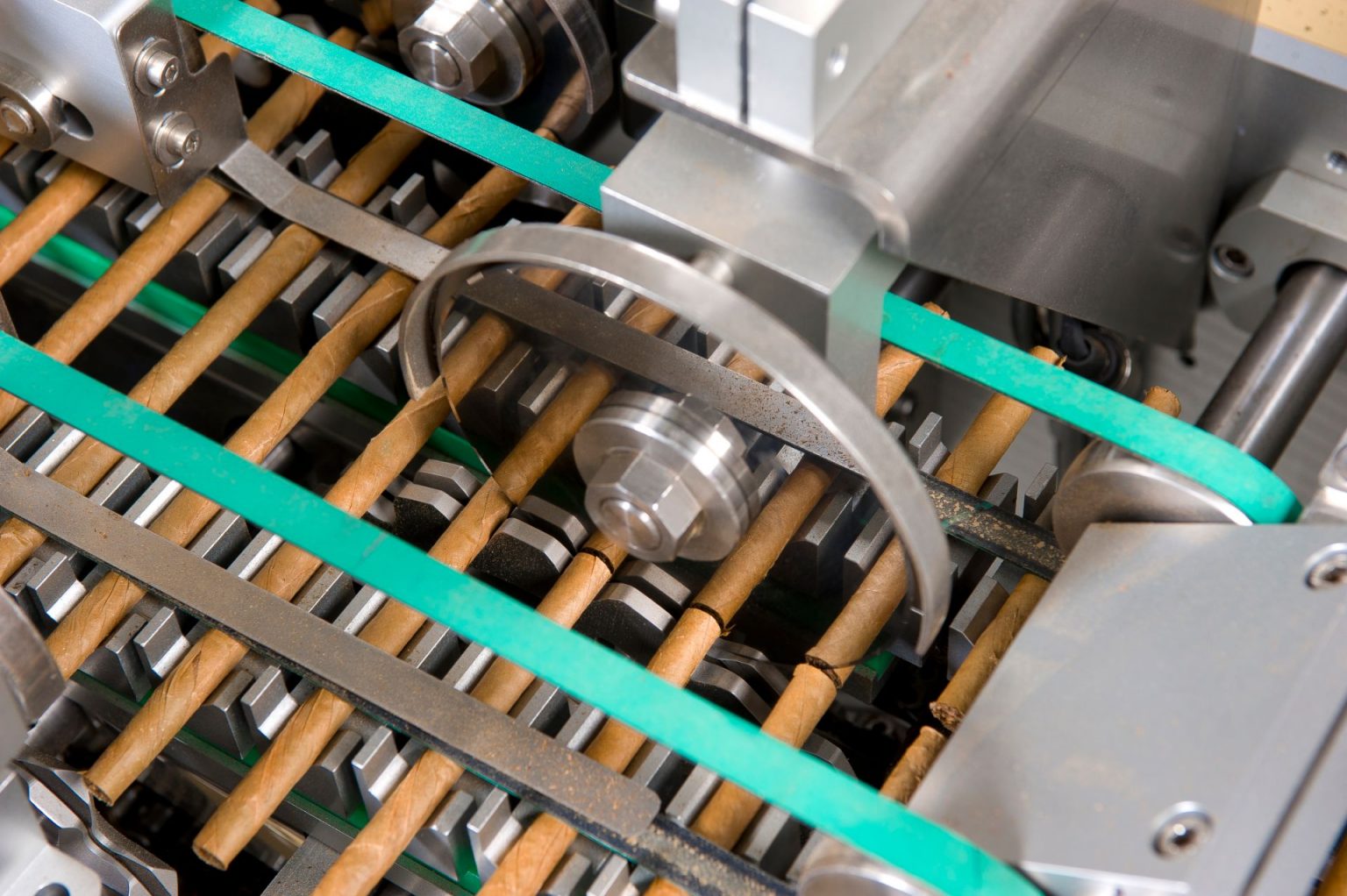
The mechanical approach is built around robust and controlled motion. Durable mechanics combined with intuitive operation make it possible to perform intricate production processes with speed, accuracy and sensitivity. This creates production systems that are not only efficient, but also dependable in long term operation.
In practice, controlled movement contributes to:
- better product consistency
- lower risk of damage
- higher repeatability
- reduced waste
Stable production should never be viewed in isolation. It forms the basis for stable total line performance.
Production solutions for fragile and sensitive products
ATD Machinery specializes in the controlled handling of natural, fragile and quality sensitive products. Some products demand more from machinery than standard handling can offer. Fragile products may be sensitive to pressure, vibration, uncontrolled transfer or small positioning errors. In those environments, production machinery must protect product integrity throughout the cycle.
With a broad experience in handling delicate materials and products, ATD Machinery develops production solutions for applications where product appearance, structural integrity and precise orientation are critical. This includes natural tobacco products such as cigars and cigarillos, products with delicate surfaces, products that vary slightly in shape or dimensions and other products requiring gentle and controlled transfer.
It also applies to premium products where presentation matters and to products that must remain stable before labeling or packaging. In these cases, production machinery must create a balance between precision, output and care. Controlled support points, stable timing and repeatable handling reduce variability and improve final product quality. Instead of correcting problems later in the line, the right production solution prevents them at the source.
Looking for a production solution for natural, fragile or quality sensitive products?
ATD Machinery develops configured production solutions focused on controlled product handling, reliable output and long term mechanical performance. Get in touch to discuss your production challenge.
Flexibility in production machinery
Modern manufacturers often work with shorter runs, a wider product range and changing market requirements. That means production machines must support flexibility without introducing complexity or inconsistency.
Flexible production is not only about being able to run multiple formats. It is about switching between them efficiently and reproducibly. A production solution should allow operators to perform adjustments in a logical and manageable way, with minimal dependence on trial and error.
Important characteristics of flexible production machinery include:
- modular layouts
- repeatable setting positions
- recipe based adjustments where relevant
- logical human machine interaction
- reduced setup time during format changes
Machines must remain mechanically stable across different configurations. This ensures that flexibility does not come at the cost of reliability or performance.
Efficiency, output and long term performance
Production is often evaluated on output alone. However, output without stability rarely creates sustainable value. A machine may achieve high speed during initial operation, but if it is sensitive to variation, difficult to maintain or dependent on constant intervention, real productivity suffers over time.
Long term production performance depends on the total operating balance of the machine. Uptime, mechanical durability and ease of maintenance play a central role, just as consistency of output quality and operator friendliness determine how the machine performs in daily use. Energy and material efficiency also contribute to reducing waste and improving overall cost control.
Production solutions are therefore developed from a broader performance perspective in which reliability, usability and efficiency remain central throughout the lifecycle of the machine.

Integration with packaging, labeling and automation
Production does not stand alone. In a modern manufacturing environment, it is closely connected to packaging, labeling and automation. Decisions made in production affect line balance, product orientation, timing windows and the consistency of downstream operations.
Stable production output directly improves packaging consistency, supports accurate labeling and enables automation systems to operate with greater reliability.
A production machine should therefore always be engineered with line integration in mind. When production, packaging and labeling are developed as connected functions, the result is a more stable and efficient manufacturing process.
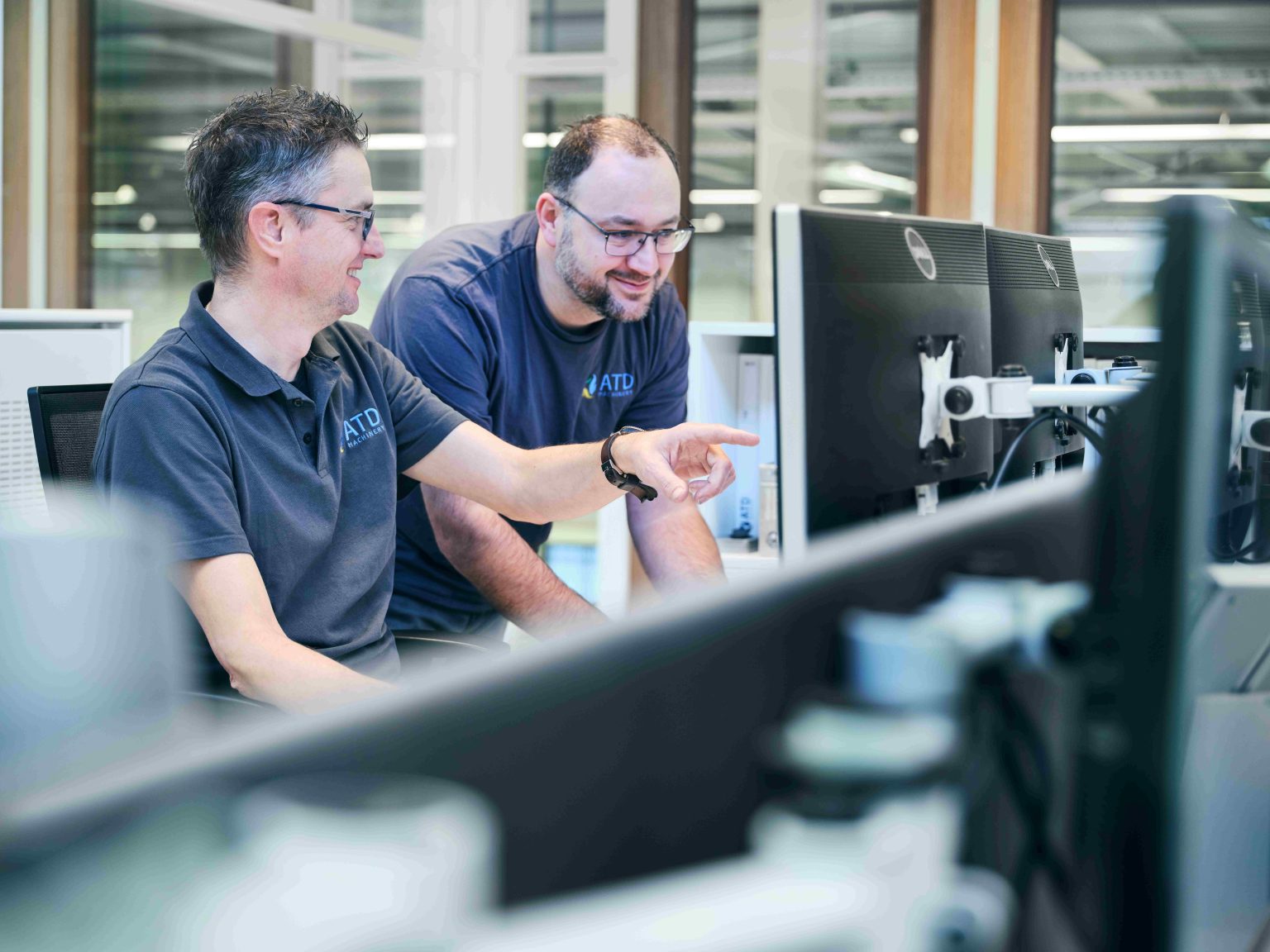
Human interface and operator usability in production environments
Even highly advanced production systems depend on practical operation. Operators must be able to understand machine logic, perform adjustments, monitor performance and resolve routine issues efficiently.
A clear and intuitive machine design supports structured operation, safe interaction and accessible adjustment points. This reduces the risk of operator errors and improves the consistency of changeovers and daily operation.
Good human machine interaction is not separate from production performance. It is part of it. A machine that is easier to understand and operate will consistently deliver better results over time.
Production strategy starts with process understanding
A successful production solution begins before engineering starts. It begins with understanding the product, the required process steps, the desired output and the practical realities of the operating environment.
Every production solution follows the Think. Build. Perform. philosophy. The process starts with analyzing the full production environment and understanding the operational requirements in detail. From there, robust and practical solutions are engineered to support long term production performance in real operating conditions.
This structured approach ensures that production solutions are not only technically capable, but also practical, reliable and sustainable in daily operation.

Production machinery across industries
ATD Machinery has strong roots in cigar production machinery. At the same time, the underlying production principles apply across industries where controlled movement and reliable handling are essential.
Production solutions are relevant for sectors such as tobacco, including cigars and cigarillos, cosmetics and food, as well as other environments involving delicate products. Across these industries, the production challenge remains the same. Products must move accurately, consistently and carefully through the process while maintaining stable output and product quality.
Production systems are engineered around these core principles to support reliable manufacturing performance across different applications.
Why choose ATD Machinery for production solutions
ATD Machinery combines mechanical expertise, custom engineering and a long term operational mindset. Production solutions are developed in close collaboration with customers and tailored to real production requirements.
The ATD approach is defined by:
- controlled and robust mechanics
- careful handling of sensitive products
- customization based on real production requirements
- integration with packaging, labeling and automation
- focus on long term performance
Rather than adding unnecessary complexity, production solutions are designed to create clarity in processes, structure in movement and control in every step of the line.